
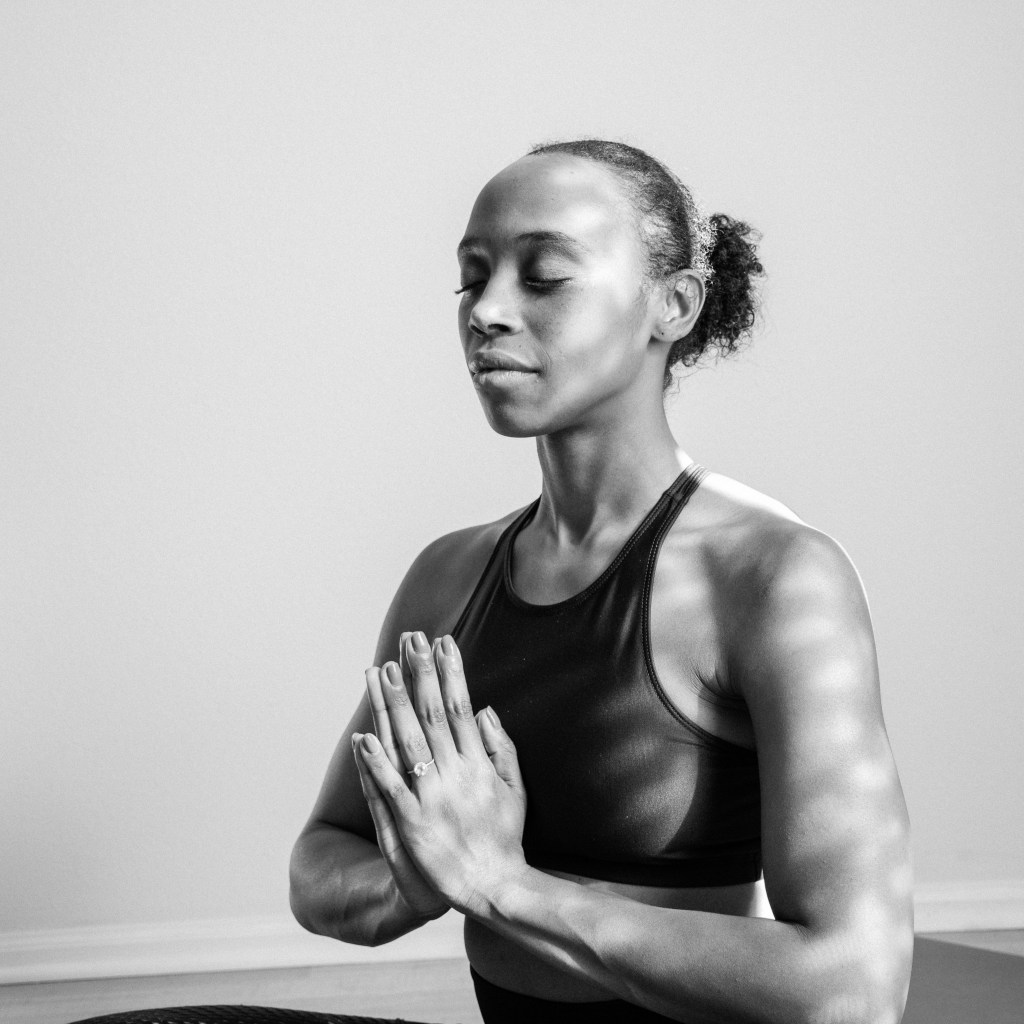
Meditation is an ancient custom that has been practiced in various forms for centuries. Its popularity, particularly in the West, is on the rise; indeed, it is currently estimated that between 200 and 500 million people practice some form of regular meditation worldwide[i].
The mindfulness movement, which has arisen in part as an antidote to the ever increasingly fast-paced and high-stress modern lifestyle, has ushered meditation into the mainstream. Mindfulness has been adopted by millions of people as a way of improving general wellbeing and mental health and has even been used as a clinical form of treatment for depression and anxiety.
If you are new to meditation, starting with just 5-10 minutes 3- 4 times a week is a great way to introduce the practice and begin your journey to a calmer, more self-aware and less stressed life. Give it a try without putting any pressure on yourself to feel a certain way or solve problems, just find your rhythm and try to notice what you are feeling and thinking as a neutral observer. There are some recommendations below if you would like to do some further reading.
Meditation has been shown to have many benefits and we have set out 5 of the best below: –
1. Improved Concentration
In today’s world distractions are everywhere; 24 hour news, on demand streaming services and of course the lure of social media can all lead to the mind becoming over stimulated. Consequently, it is becoming increasingly difficult for us to focus on tasks for a prolonged period of time.
Regular mindfulness meditation has been shown to increase attention span and concentration. The practice encourages being present in the moment and moving away from auto-pilot responses so we can be more consciously in control of our actions. The act of focusing on your breathing and training yourself to observe when distractions enter your mind is invaluable. Studies have shown that just 13 minutes of mindfulness meditation a day can improve concentration and attention within just 8 weeks[ii].
2. Improved Sleep
Meditation has long been endorsed by practitioners as a useful tool for those having trouble sleeping, and there are studies that support this. Meditation not only helps improve sleep by reducing stress and anxiety, but studies have indicated that it can increase the amounts of melatonin (the sleep regulating hormone) the brain produces[iii]. This can improve both the quality and duration of your sleep. A 2014 study showed that meditation could be a viable treatment for those suffering from long term insomnia[iv]
3. Reduced Depression
Depression and anxiety are becoming ever more prevalent in today’s ‘always on’ world. The mental health foundation defines depression as ‘a common mental disorder that causes people to experience depressed mood, loss of interest or pleasure, feelings of guilt or low self-worth, disturbed sleep or appetite, low energy, and poor concentration’[v]. Many people have experienced (or will experience) some form of depression at one point in their life.
Meditation has been shown to reduce symptoms of depression in some testing candidates and mindful-based stress reduction (MBSR) treatment is now an accepted option for treatment for depression and studies have shown it to be as effective as anti-depressant drugs in some cases.
One of the ways mindfulness meditation helps is by training us to focus on what is happening in the present moment and to be aware of what our minds are doing. Over time, this teaches us to be more focused and self-aware. This may not necessarily change what we feel and experience but can help us to process and deal with the feelings more effectively.
4. Reduced Stress
Mindfulness meditation has been shown in a number of different studies to reduce stress. To understand how this works, we must first recognise what stress actually is. The stress response is the body’s automatic reaction to danger and has evolved as a survival mechanism over years. When your mind perceives a threat, it will trigger a series of hormonal responses, including releasing adrenalin and cortisol, which trigger physiological changes (increased heart rate, tensing of muscles, sweating) – this is also known as the fight-or-flight response.
The stress response can be very useful but if triggered too often we can cause people to remain in a stressed state without the ability to switch-off. The stress response is often stimulated by events that are not life-threatening, such as running late for school drop-offs, work deadlines or arguments with friends or family[vi]. This can cause people to live in a constant state of stress – chronic stress is a leading cause of many health problems both physical and mental such as depression, burn out, heart disease and high blood pressure.
So how does meditation help? Firstly, it encourages the body’s ‘relaxation response’ which acts as a counterbalance to the stress response[vii]. Essentially, this involves the activation of the parasympathetic nervous system (PNS) which has the job of calming the body once a person is no longer in danger. Over time this can assist with reducing stress as well as helping to deal with stressful situations more effectively
5. Improved Brain Health
Amazingly, meditation has even been shown to alter the physical state of the brain. A UCLA study from 2015 found that long-term meditators had more grey matter in the brain when compared to those who didn’t practice any form of meditation[viii] .
This means that over a long period of time meditation could actually be slowing the aging process of the brain. An earlier Harvard study[ix] in 2011 supports the finding that meditation can improve brain health. The Harvard study showed an increase to the grey matter in the hippocampus, the part of the brain that governs learning and memory, following 8 weeks of MBSR.
In addition, the study also found an increase to brain matter in the areas of the brain which help to regulate our emotions. Conversely, there was a reduction in the cell volume in the amygdala, the area of the brain responsible for fear, anxiety and stress. These changes in the brain were also reflected the patients’ own stress level reports – this indicates meditation can have a positive effect on general wellbeing and improve brain health both physiologically and psychologically.

If you are new to meditation the below sources will offer a good introduction. We have mainly focused on mindfulness meditation in this article, but there are many different types of meditation and it will be important over time to see which one is right for you.
Please seek professional medical help and consult your GP before commencing any meditation programmes if you think you may be suffering from any mental health or long-term physiological conditions.
Further reading:
- ‘How To Meditate’: https://www.mindful.org/how-to-meditate/
- 5 minute reset meditation by Niraj Shah – https://insighttimer.com/niraj5hah/guided-meditations/5-minute-reset-meditation
- Mindfulness: A practical guide to finding peace in a frantic world – https://amzn.to/30wtHlH

Sources:-
[i] https://www.thegoodbody.com/meditation-statistics/
[ii] https://pubmed.ncbi.nlm.nih.gov/30153464/
[iii] https://www.sciencedirect.com/science/article/abs/pii/S0301051100000351?via%3Dihub
[iv] https://academic.oup.com/sleep/article/37/9/1553/2416992
[v] https://www.mentalhealth.org.uk/statistics/mental-health-statistics-depression
[vi] https://www.health.harvard.edu/staying-healthy/understanding-the-stress-response
[vii] http://www.relaxationresponse.org
[viii] https://www.frontiersin.org/articles/10.3389/fpsyg.2014.01551/full
 Turn Down The Volume
Pingback: Sleep your way to the top… of your game. – Turn Down The Volume